How to Prepare Your Budget for a Used Vehicle Purchase This Summer
July 28 2026
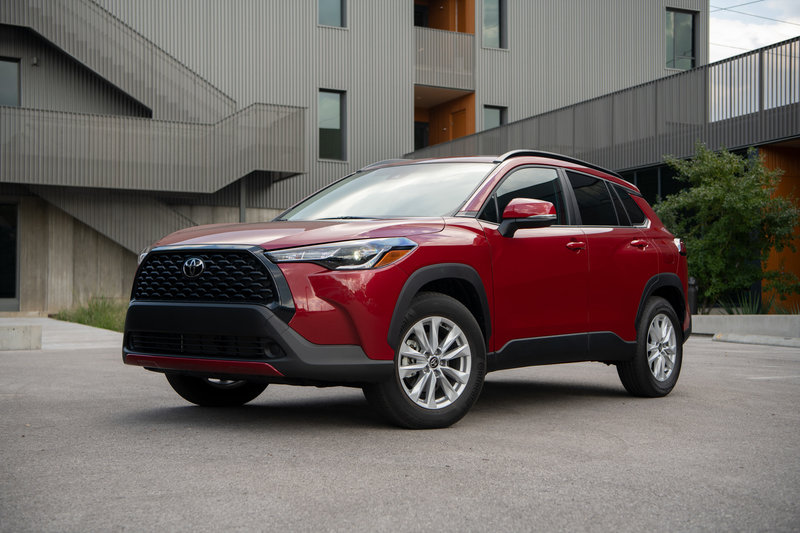
Summer tends to bring more used vehicles onto the market and more buyers looking at the same time, which makes it easy to focus on a listing price and skip the budgeting step entirely. The number on a listing is rarely the number you actually pay once financing, tax, and ownership costs are added in.
A realistic budget worked out before you start looking puts you in a much stronger position. It lets you compare vehicles and financing offers on equal footing, and it means you already know your limit once you find something you like. These six steps will help you set a budget you can actually stick to.
Cost of Ownership at a Glance
|
Budget Item |
What to Plan For |
|
Monthly payment |
Based on the full cost of borrowing, including interest |
|
Down payment |
Typically a percentage of the purchase price |
|
Tax and registration |
Provincial sales tax plus government plate and registration fees |
|
Insurance |
Varies based on driving history, location, and vehicle |
|
Fuel and maintenance |
An ongoing monthly cost, not a one-time expense |
|
Repair buffer |
Set aside monthly for unexpected repairs |
Why Summer Budgeting Matters Before You Start Shopping
Higher demand and faster turnover in the summer months mean good used vehicles can move quickly. Buyers who have not set a budget in advance are more likely to stretch for a payment in the moment, especially when a vehicle they like will not be there next week. Working out your numbers before you start looking removes that pressure. You shop with a clear limit instead of deciding one on the spot.
Set Your Maximum Monthly Payment
Rather than starting with a vehicle price, start with what you can comfortably pay each month. Look at your income alongside your existing bills and debt payments, then work backward to figure out a loan amount that fits. A lender may approve you for more than this number, since approval is based on their own criteria, not your full monthly picture. Treat your own calculation as the real ceiling, regardless of what you are approved for.
Estimate Your Upfront Cash Needs
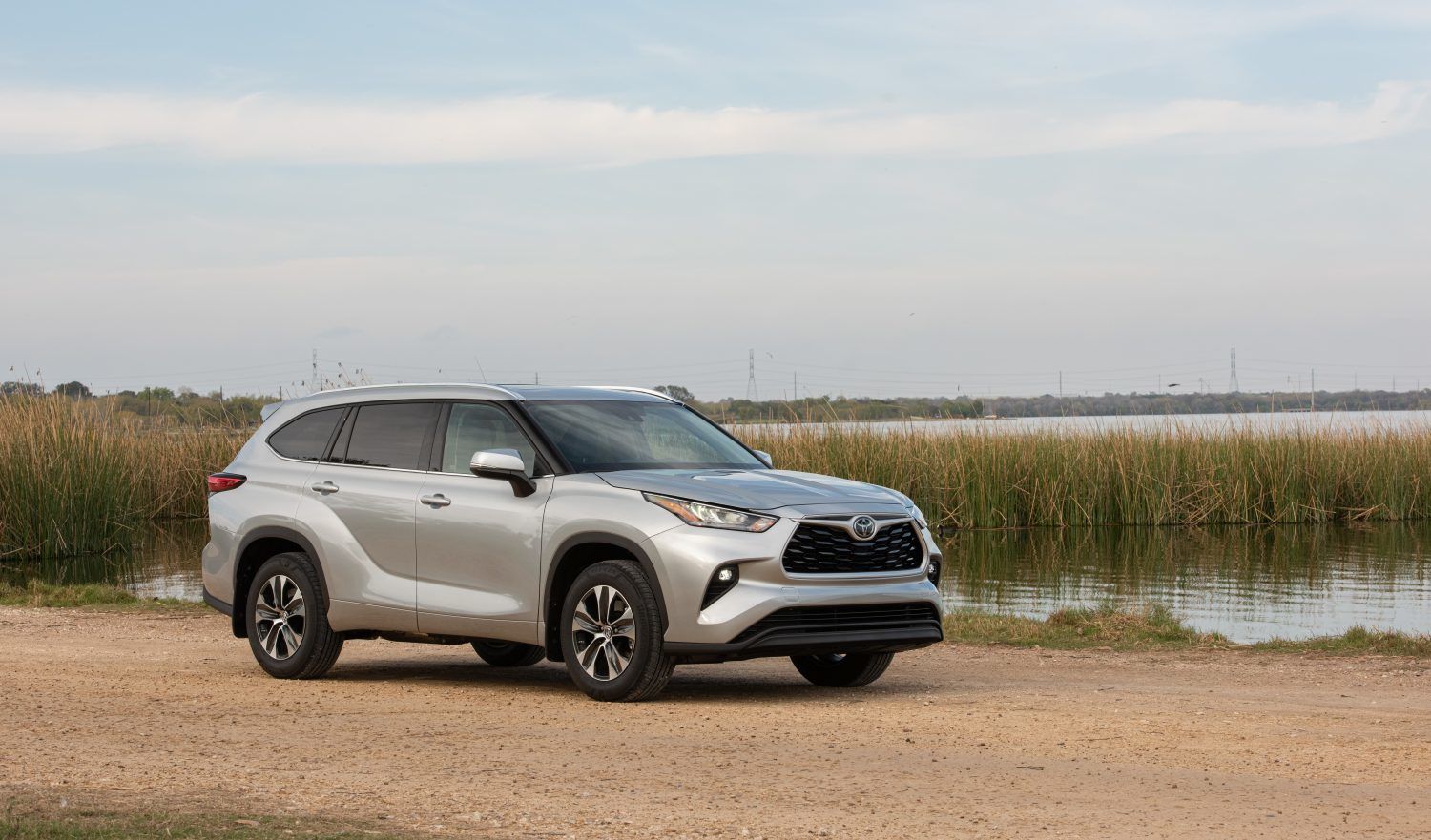
Beyond the vehicle price, a handful of upfront costs come due at the time of purchase. Planning for these ahead of time keeps them from becoming a surprise at signing.
Upfront costs to account for include:
- A down payment, with the amount depending on the lender and your credit profile
- Provincial sales tax on the purchase price
- Registration and licence plate fees
- A pre-purchase inspection, which is worth the cost on a used vehicle
- A vehicle history report, to check for past accidents, liens, or odometer issues
Add Ownership Costs Beyond the Loan
The loan payment is only one part of what a used vehicle costs each month. Building the rest into your budget upfront means the vehicle stays affordable well after the purchase is done.
Ongoing costs to include are:
- Insurance premiums, which vary based on driving history, location, and the vehicle itself
- Fuel, based on your typical commute and driving habits
- Routine maintenance, such as oil changes, tire rotations, and seasonal checkups
- Parking or storage costs, where applicable
Get Pre-Approved Before You Visit Listings
A pre-approval gives you a clear loan amount and rate range before you start comparing vehicles, so the budget you set earlier is grounded in a real number rather than an estimate. It also means you can move quickly once you find the right vehicle, without waiting on financing to catch up. Atlantic Credit Centre works with buyers across Nova Scotia, New Brunswick, Prince Edward Island, and Newfoundland and Labrador, connecting them with financing options suited to a range of credit situations before they start shopping.
Build a Small Repair and Emergency Buffer
Even a well-maintained used vehicle can need an unplanned repair. Setting aside a small amount each month for this, separate from your loan payment and routine maintenance, means a single repair bill will not derail your budget. Buyers who build this in from the start tend to stay on track through the full life of the loan.
Plan Your Budget With Atlantic Credit Centre
A used vehicle budget works best when it accounts for the full picture, beyond the price on a listing. Atlantic Credit Centre helps buyers across the Maritimes turn that full picture into a clear pre-approval, so you know your real number before you start comparing vehicles this summer.