Insuring a Financed Used Car in Nova Scotia: What Lenders Require
October 29 2026
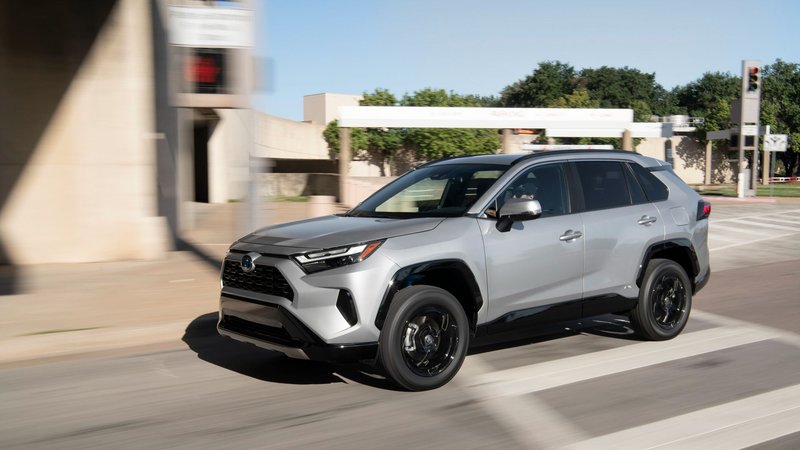
Buying a used vehicle on financing in Nova Scotia means satisfying two separate sets of requirements at once: what the province’s insurance rules require of every driver, and what your lender requires to protect its interest in the vehicle. The two overlap, but they are not the same thing, and mixing them up is an easy way to end up underinsured or caught off guard.
Understanding where one set of rules ends and the other begins makes the whole process easier to plan for before you take delivery.
What’s Required at a Glance
|
Layer |
What It Covers |
|
Provincial minimum |
Third-party liability, property damage coverage, accident benefits, and uninsured driver protection |
|
Typical lender requirement |
Collision coverage, since the vehicle secures the loan |
|
Registration requirement |
Proof of insurance on file when plates are issued or renewed |
What Nova Scotia Requires of Every Driver
Nova Scotia’s mandatory coverage includes third-party liability, Direct Compensation for Property Damage, accident benefits, and protection against uninsured or unidentified drivers. These apply to every vehicle on the road in the province, financed or not, and they exist independently of anything your lender might ask for separately. Nova Scotia’s liability minimum is also notably higher than what neighbouring Atlantic provinces require, so a policy built for a minimum elsewhere will not automatically meet Nova Scotia’s standard.
Insurance information has to be on file whenever a registration or plate is issued or renewed, whether that’s handled in person, by mail, or online. The exact form that takes depends on how you register, but the underlying requirement, current proof of insurance connected to the vehicle, applies across the board. Driving without the required liability coverage is a provincial offence that carries real financial and legal consequences, so this isn’t a box to leave unchecked.
What Your Lender Will Likely Ask For
Financing changes the picture because the lender has its own stake in the vehicle until the loan is paid off. Collision coverage, which protects against damage from an accident, is commonly required by lenders on a financed vehicle, since it protects the asset that secures the loan. Comprehensive coverage, which covers losses like theft or weather damage, often comes up in the same conversation, though its exact role depends on the specific lender and the terms of your agreement rather than a single province-wide rule.
A few other details worth understanding before you sign:
- Your lender is typically listed on the policy as a loss payee, meaning any payout on a covered claim goes toward the loan balance first
- A change to your coverage, including anything affecting the lender’s interest in the vehicle, generally has to be reported
- The specific deductible limits, proof-of-insurance requirements, and what happens if coverage lapses are set out in your financing agreement itself, not by provincial law
That last point matters. The financing contract, not a general rule of thumb, is what defines your lender’s exact expectations, so it is worth reading that section closely before you take delivery.
Understanding Optional Add-On Coverage
Beyond what’s required, insurers in Nova Scotia offer optional products that some buyers choose to add. Depreciation protection, for instance, is designed to preserve more of a vehicle’s original value if it’s written off, though eligibility and terms vary by insurer and by vehicle, and it isn’t something every used vehicle automatically qualifies for. Creditor or loan insurance is a separate product entirely. It helps pay down the loan itself if something like job loss or a serious illness affects your ability to make payments, and it’s optional rather than a condition of loan approval.
Any add-on like this is worth asking about directly, since coverage, cost, and eligibility all depend on the specific product and insurer rather than a standard formula.
What Affects Your Premium

A handful of factors shape what you pay: your driving record and claims history, the vehicle itself, where you live and how much you drive it, and the coverage and deductible you choose. Nova Scotia specifically prohibits insurers from using age or marital status as rating factors, which sets it apart from how premiums are sometimes discussed at a national level. The province’s insurance rates are also overseen by a regulatory board, which reviews insurers’ rate filings for compliance rather than setting one identical premium for every driver.
Ask the Right Questions Before You Finance
Before you commit to a used vehicle in Nova Scotia, get a clear answer on three things: what the province requires of you as a driver, what your specific lender requires to approve financing, and what optional coverage might make sense for your situation. Atlantic Credit Centre helps buyers across Atlantic Canada sort through financing options and understand exactly what their agreement requires, so nothing about your coverage comes as a surprise after you’ve signed.